Description
B0013
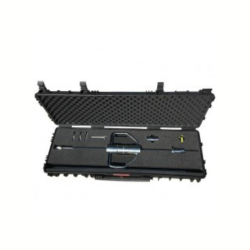
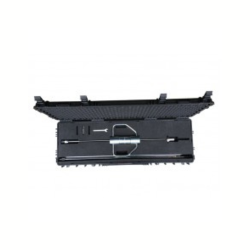
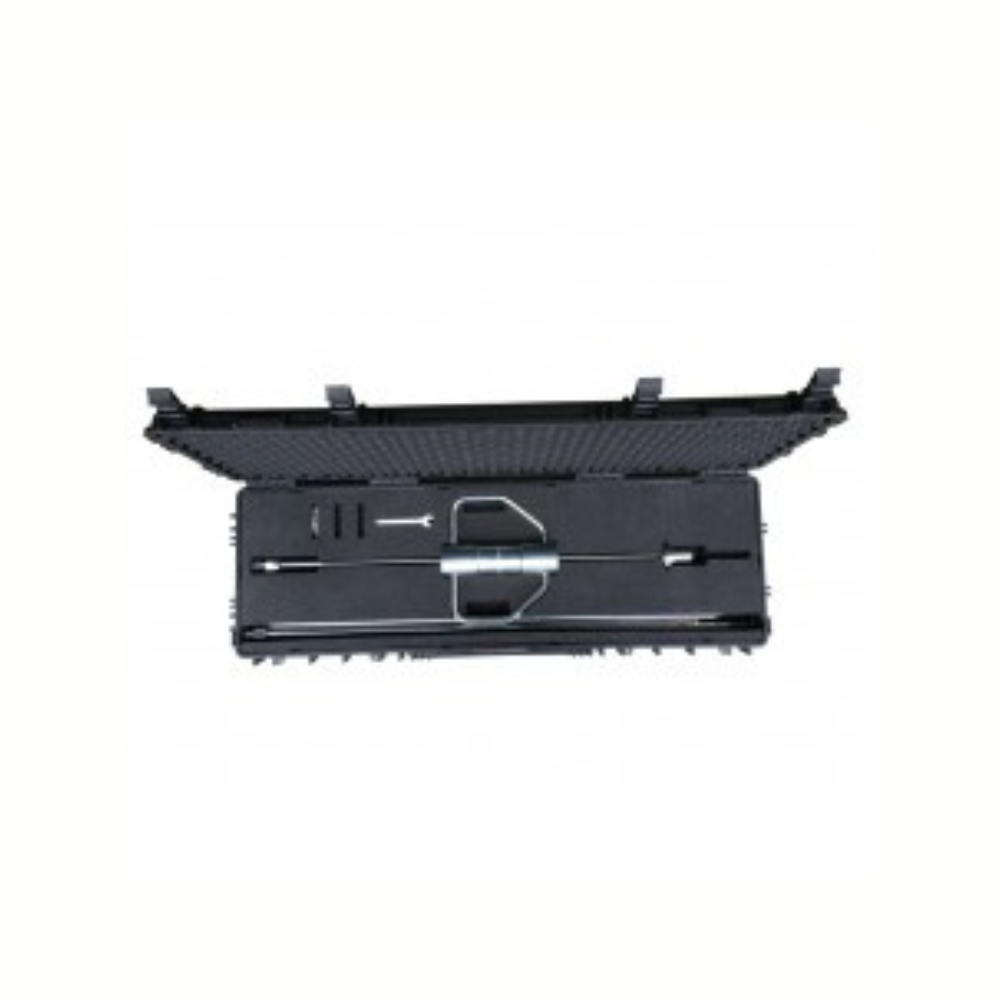
Benchmark Dynamic Cone Penetrometer (DCP) 3m kit, with carry case.
In compliance with AS 1289.6.3.2-1997
The Dynamic Cone Penetrometer (DCP) is a relatively quick field test to determine the penetration resistance of the soil. The density of soil is measured to evaluate its strength and ability to resist settlements. Compactive effort and moisture content are the two most essential factors in achieving optimum density. By compacting the soil at or near its optimal moisture content, you create the ideal conditions for any compactible soil to sustain these strength properties.
The Set includes:
- (1) Top Rod
- (1) 9kg Hammer
- (1) Hardened DCP Tips
- (1) Stub Adaptor
- (3) 1m Extensions 50mm groove spacing
- (2) 14.0mm open-ended spanners
- (1) Benchmark high-impact polymer carry case.
- (1) User Manual
Weight: 27.50 kg
Size (LxWxH): 135 x 42 x 17 cm
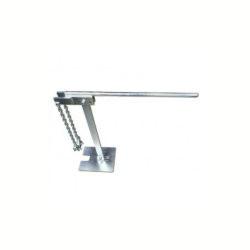
Spare parts can be purchased separately.
Dynamic Cone Penetrometer (DCP)
The DCP consists of a 9kg sliding weight that delivers a defined amount of energy as it falls from a height of 510mm into an anvil block. This energy is used to drive a 16mm steel rod with a cone tip end into the ground. The steel rod is usually scribed in 50mm increments to the rod’s full length. The device’s gross mass is less than 20kg, making it quite portable. The weight is lifted and released by hand, with some care necessary to ensure that:
- The weight is hoisted through the whole 510mm height,
- There is no impact on the upper stop at the top of the lift, and
- The weight is released cleanly and allowed to free-fall without interference.
To increase the depth of testing, additional rods can be driven after the hammer has been driven. In some very loose conditions, the greatest practicable depths are in the order of 5 or 6 m. Beyond these depths, recovery of the rods becomes difficult, and the danger of rod loss due to damage becomes too significant.